
1. Introduction
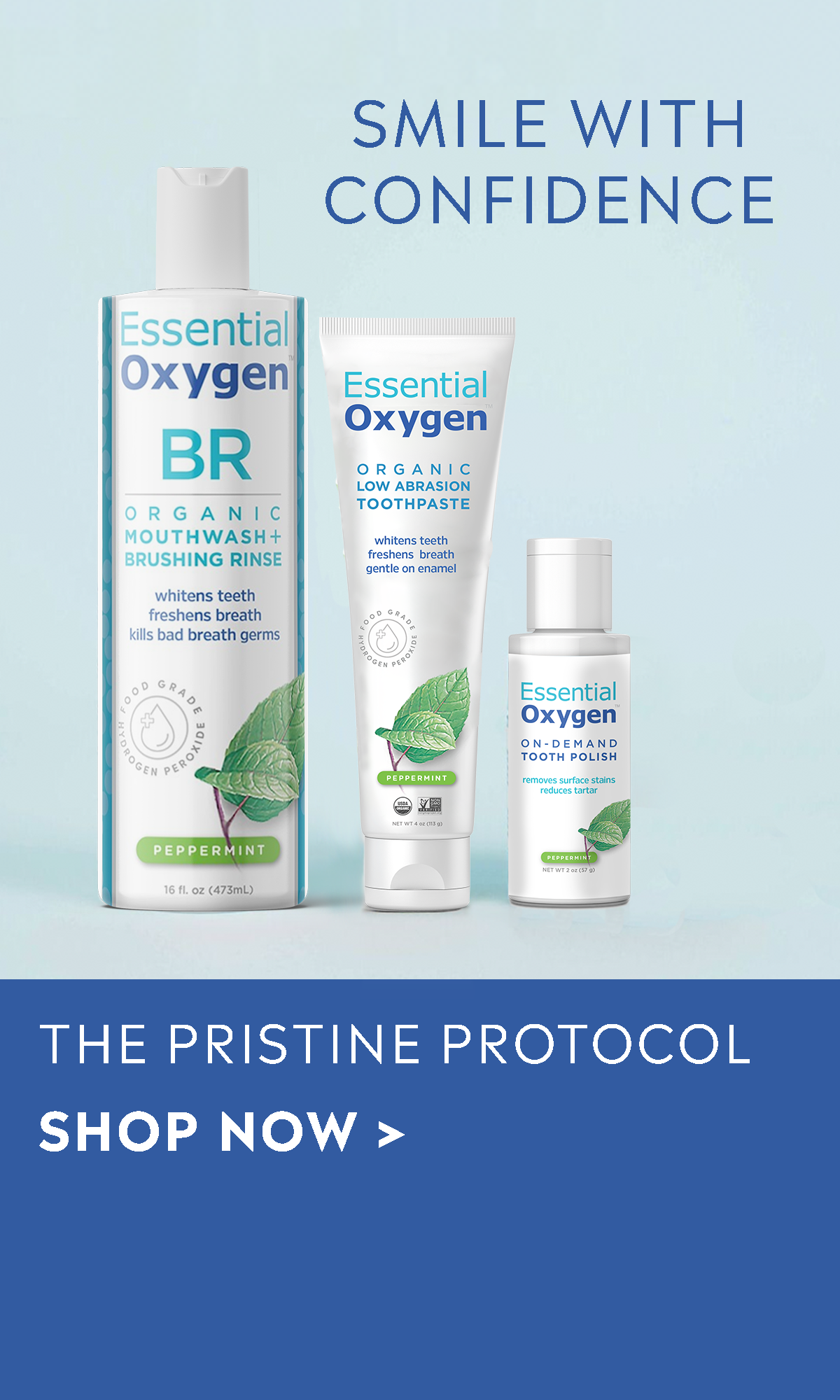
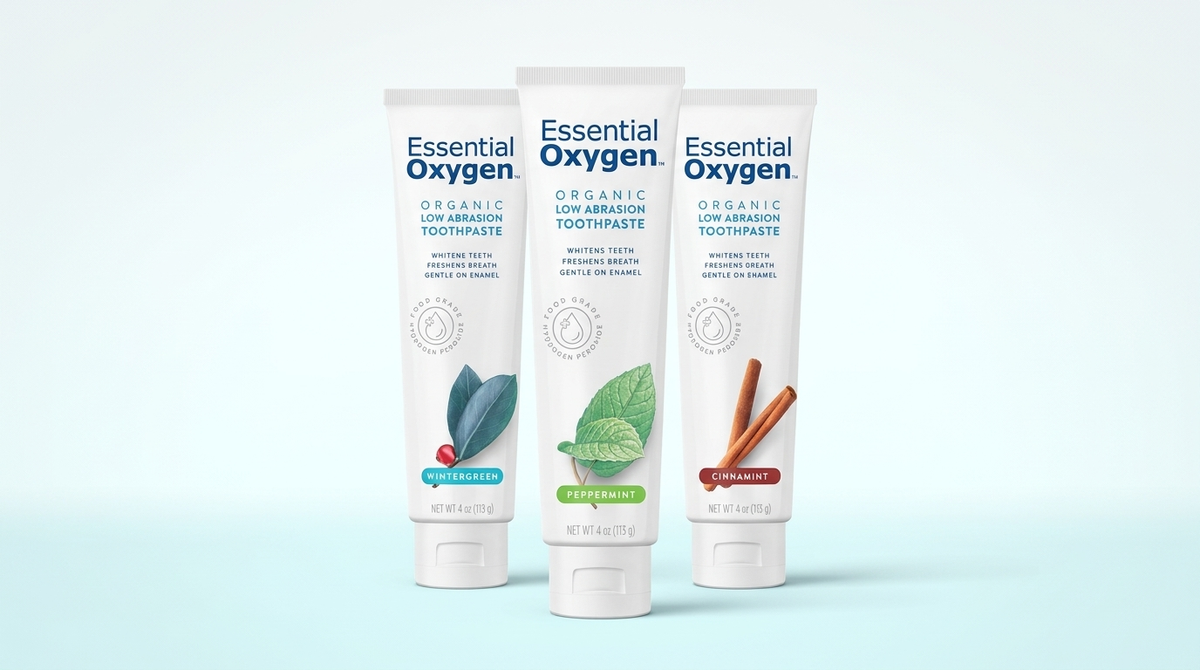
Essential Oxygen Organic Low Abrasion Toothpaste is a fluoride-free, SLS-free daily dentifrice formulated around three distinguishing characteristics: a Relative Dentin Abrasivity (RDA) of 12, 1.44% food grade hydrogen peroxide, and a botanical/mineral base. The formulation is intended for routine brushing while keeping mechanical abrasivity intentionally low.
RDA is a standardized laboratory measure of dentifrice abrasivity relative to a reference material. The American Dental Association (ADA) notes that dentifrices with an RDA of 250 or less are considered safe and effective with proper brushing technique, while also cautioning that values below 250 should not be used as a quantitative ranking of clinical safety. Against that context, an independently measured RDA of 12 documents that this formulation has very low laboratory measured dentin abrasivity.[1,2]
The toothpaste is designed as a gentle everyday cleaning step rather than a high abrasion polishing paste. Its peroxide component provides an oxidative mechanism that may assist with extrinsic stain management, while the low abrasive load limits reliance on friction for cosmetic cleaning.
2. Key Formulation Components & Clinical Relevance
Essential Oxygen Organic Low Abrasion Toothpaste combines oxidation-based whitening, mineral support, and a botanical oral care system in an exceptionally low abrasion formulation. Key components and their relevance to dental professionals are summarized below.
Core Active & Mineral Components
| Ingredient | Clinical Relevance & Formulation Role |
|---|---|
| Food-Grade Hydrogen Peroxide (1.44%) | Oxidation-Based Whitening. An oxygenating and oxidizing agent studied in oral care formulations for its effects on extrinsic stain, oral bacteria, gingival inflammation, and bleeding. At 1.44%, it provides oxidation-based stain management without relying on increased abrasivity. |
| Calcium Phosphate | Mineral Support. Provides calcium and phosphate, the mineral building blocks of tooth structure, and supports the mineral environment of enamel and processes associated with remineralization. |
Botanical Oral-Care System
| Ingredient | Clinical Relevance & Formulation Role |
|---|---|
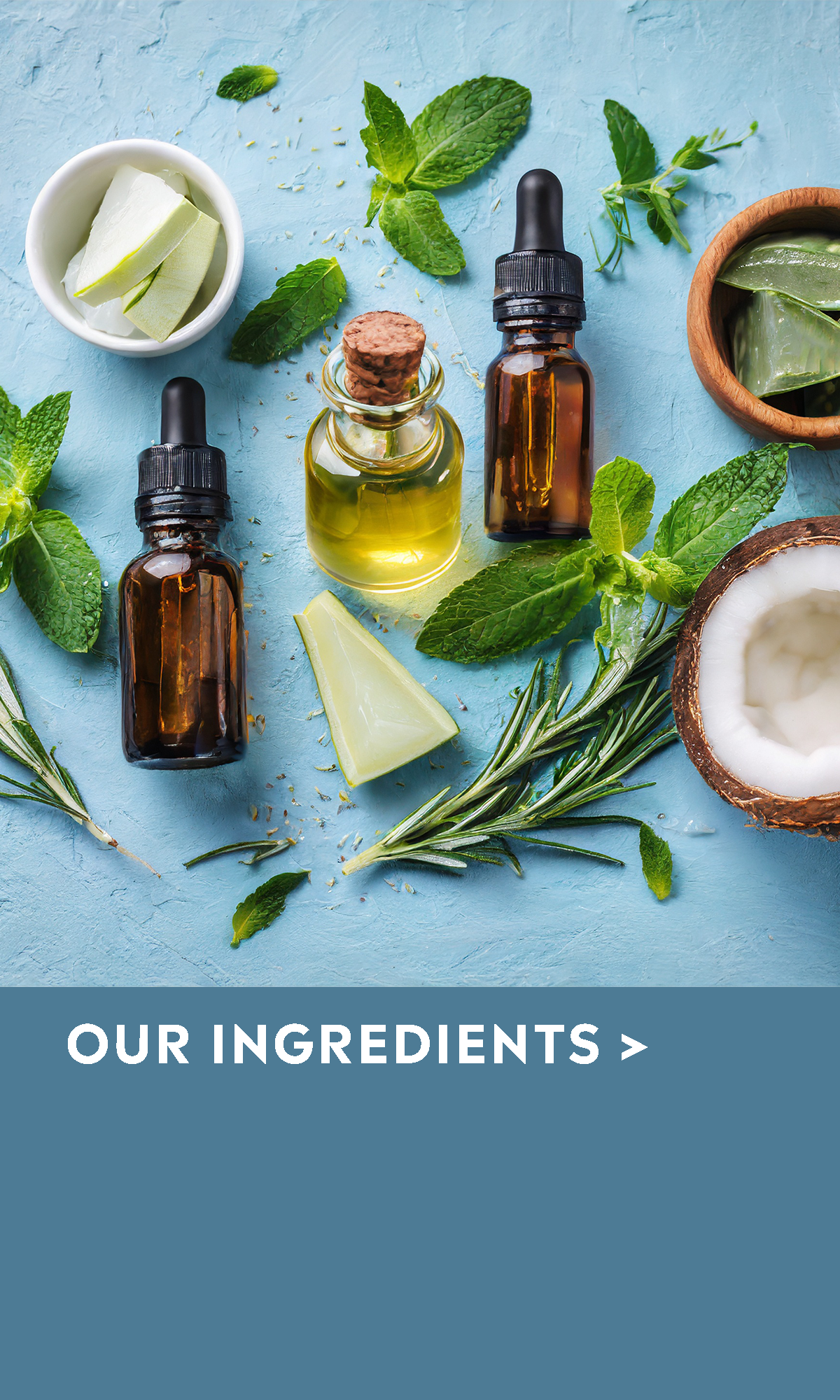
| Organic Aloe Vera Gel | Tissue Comfort & Moisture. Serves as the primary botanical base, helping soothe, moisturize, and condition oral tissues while providing a gentle medium for daily brushing. |
| Organic Coconut Oil | Tissue Conditioning. Helps condition and moisturize oral tissues while supporting a clean, comfortable oral environment. Coconut oil oral care regimens have also been studied for potential adjunctive benefits in plaque control and gingival health. |
| Organic Eucalyptus Leaf Oil (Eucalyptus globulus) | Oral Cleanliness & Gingival Support. Provides botanical compounds associated with oral cleansing; eucalyptus containing oral care formulations have been studied for their potential role in supporting plaque control and gingival health. |
| Organic Rosemary Leaf Oil (Rosmarinus officinalis) | Plaque & Gingival Support. Provides bioactive botanical compounds with potential oral health supporting properties; rosemary containing oral care formulations have demonstrated improvements in plaque and gingival bleeding indices in clinical studies. |
| Organic Frankincense Oil (Boswellia carterii) | Gingival & Botanical Support. Provides bioactive botanical compounds associated with oral cleanliness and a healthy gingival environment; Boswellia preparations have been studied for their potential role in plaque control and gingival health. |
| Organic Clove Bud Oil (Eugenia caryophyllus) | Oral Comfort & Cleanliness. A natural source of eugenol with a long history of use in dental and oral care preparations; contributes to the formulation's soothing and freshening botanical profile. |
| Organic Cinnamon Leaf Oil (Cinnamomum zeylanicum) | Oral Freshness & Cleanliness. Provides aromatic botanical compounds traditionally incorporated into oral care formulations to support oral freshness and a clean mouth environment. |
| Organic Lemon Peel Oil (Citrus medica limonum) | Antioxidant & Freshness Support. Provides naturally occurring antioxidant and aromatic compounds that complement the botanical system while supporting oral freshness and a clean mouth environment. |
| Organic Peppermint Oil (Mentha piperita) | Freshness & Patient Experience. Provides naturally occurring menthol and a cooling sensory effect that supports oral freshness, a clean mouth sensation, and an enjoyable post-brushing experience. |
Natural Cleansing & Formulation Support
| Ingredient | Clinical Relevance & Formulation Role |
|---|---|
| Organic Coconut Flour | Gentle Physical Cleansing. Provides natural texture and gentle physical cleansing, contributing to a smooth and effective brushing experience. |
| Organic Acacia (Gum Arabic) & Xanthan Gum | Formulation Stability & Botanical Support. Create a smooth, stable consistency that supports even ingredient distribution; Gum Arabic has also been clinically studied for its potential role in supporting plaque control and gingival health. |
3. How It Works
The formulation combines mechanical cleaning with low concentration oxidation. Brushing physically disrupts plaque and surface debris, while the toothpaste's measured RDA of 12 indicates a deliberately low abrasive load. This is relevant because dentin may become exposed through recession or tooth wear and is less wear resistant than enamel. RDA is therefore a useful laboratory quality control measure for understanding the abrasive potential of a dentifrice.[1]
Hydrogen peroxide works differently from abrasive polishing. As an oxidizing agent, it can react with chromogenic organic compounds associated with extrinsic staining. Clinical literature on peroxide oral care products includes evidence of whitening/stain improvement and, in some formulations, gingival benefits. However, those outcomes depend on concentration, contact time, co-ingredients and delivery format; results from a mouthrinse or multi-step peroxide system should not be assumed to establish the same clinical efficacy for this specific toothpaste.[3–7]
The absence of SLS also differentiates the surfactant profile. SLS is widely used as a detergent/foaming agent in toothpaste. For patients prone to recurrent aphthous stomatitis, systematic review evidence suggests that an SLS-free dentifrice may improve some ulcer outcomes, particularly duration and pain, though the evidence base remains limited.[8–11]
4. What the Evidence Shows
The ADA describes RDA as a standardized method for quantifying dentifrice abrasivity and states that dentifrices at or below RDA 250 are considered safe and effective. The ADA also specifically notes that RDA values below 250 should not be used to rank toothpastes quantitatively for clinical safety because laboratory RDA values do not directly map to clinical enamel change. Essential Oxygen reports an RDA of 12 measured by the Oral Health Research Institute. Accordingly, the strongest supportable interpretation is that the product has very low laboratory measured abrasivity, not that an RDA of 12 has been proven clinically superior to every higher RDA toothpaste.[1,2]
Hydrogen peroxide has a long history of use in dentistry and oral care formulations. Reviews of the dental safety literature have found that appropriately formulated, low concentration hydrogen peroxide products used as directed have demonstrated a favorable safety profile for oral use, while higher concentrations and prolonged or inappropriate exposure increase the potential for localized soft-tissue irritation.[3,4] Marshall et al. reported that studies involving daily use of hydrogen peroxide concentrations of 3% or less for periods extending up to six years generally identified only occasional, transient irritation, primarily in individuals with pre-existing oral ulceration or under specific concurrent conditions.[3] Walsh similarly concluded that available evidence supports the safety of low concentration hydrogen peroxide in self-administered oral care products such as dentifrices and mouthrinses when appropriately formulated and used as directed.[4]
More recent evidence continues to document the use of low concentration hydrogen peroxide in oral care applications. A 2020 systematic review found that the majority of included hydrogen peroxide mouthrinse studies evaluated formulations containing approximately 1.5% H₂O₂, providing additional clinical context for the use of peroxide at concentrations substantially below those employed in professional bleaching procedures.[5]
These studies provide context for the use of low concentration hydrogen peroxide in oral care; they do not constitute direct clinical validation of Essential Oxygen Organic Low Abrasion Toothpaste at 1.44% hydrogen peroxide.
A 2019 systematic review of randomized crossover trials in recurrent aphthous stomatitis found that SLS-free dentifrices were associated with reductions in ulcer number, duration, episodes and pain in the pooled/qualitative evidence, while also calling for stronger trials.[8] Individual trials have not been uniform: one randomized crossover study reported reduced ulcer duration and pain but no significant reduction in ulcer number or episodes, while another trial found no significant difference in measured ulcer parameters.[9,10] A separate double-blind crossover study reported a higher frequency of aphthous ulcers with SLS-containing toothpaste than with alternative detergent or detergent-free toothpaste.[11]
5. Considerations for Dental Professionals
6. Complementary Mechanical Stain Removal
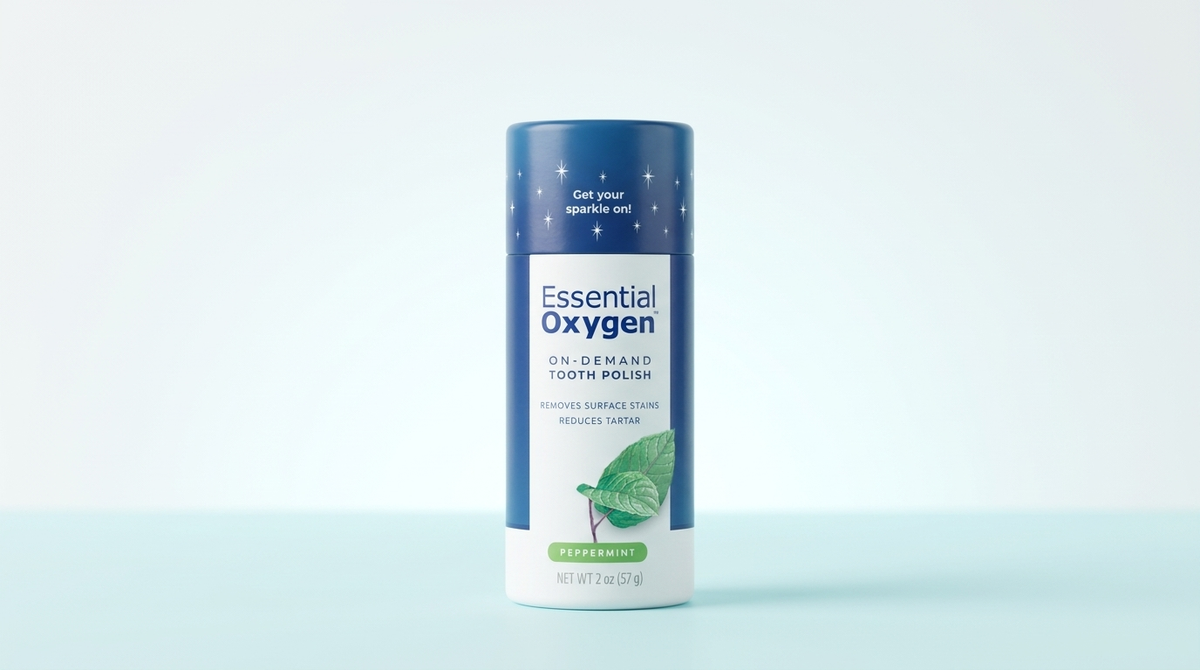
While hydrogen peroxide provides an oxidation-based approach to managing extrinsic discoloration, some patients may benefit from additional mechanical polishing to address persistent surface stains and deposits. A dedicated tooth polish, such as Essential Oxygen On-Demand Tooth Polish, can complement a low abrasion daily toothpaste by providing a separate polishing step rather than increasing the abrasivity of a dentifrice used twice every day.
Essential Oxygen On-Demand Tooth Polish contains polishing and mineral ingredients including calcium carbonate, calcium phosphate, and sodium bicarbonate and is designed for use 3-7 times per week with Essential Oxygen Organic Low Abrasion Toothpaste. This complementary approach combines gentle, oxidation-based daily care with periodic mechanical polishing to help remove extrinsic surface stains and deposits and support a smooth, polished tooth surface.
Separating these functions allows clinicians to individualize stain management according to each patient's staining patterns, dietary habits, enamel and dentin condition, restorations, sensitivity, and cosmetic goals. The Tooth Polish is intended as an adjunct to routine brushing and professional hygiene care and is not a substitute for professional removal of established calculus.
7. Conclusion
Essential Oxygen Organic Low Abrasion Toothpaste is differentiated by a measured RDA of 12, 1.44% food grade hydrogen peroxide and an SLS-free formulation. Its most clearly documented product characteristic is very low laboratory abrasivity, positioning it as a gentle daily dentifrice for patients and clinicians who wish to minimize abrasive cleaning. Low concentration hydrogen peroxide provides a scientifically plausible oxidative approach to extrinsic stain management, and the broader dental literature supports the use of appropriately formulated low concentration peroxide products, while also showing that efficacy and tolerability depend on formulation and exposure.
For dental professionals, the appropriate clinical framing is conservative and evidence based: the toothpaste offers very low measured abrasivity, low-concentration peroxide and an SLS-free profile, but product specific claims beyond those measured formulation attributes should await direct clinical testing of the finished toothpaste.